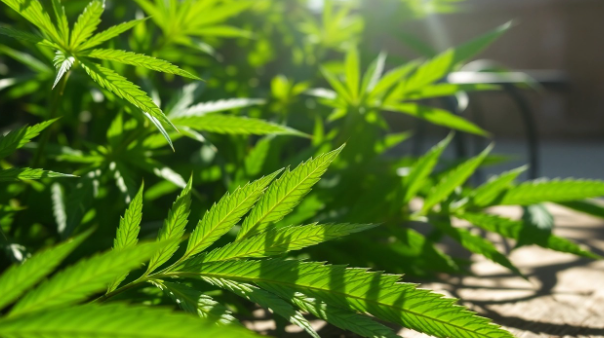

Modern cannabis breeding continues to introduce new approaches for developing distinctive genetic profiles, and F1 triploid seeds are attracting attention among growers interested in advanced seed genetics. Prime Strains offers an opportunity to explore emerging varieties, while Prime Strains focuses on helping customers understand modern breeding concepts, and Prime Strains provides access to information about different genetic categories and their reported characteristics. F1 triploid seeds represent an interesting area of contemporary breeding because triploid genetics involve three sets of chromosomes rather than the two sets commonly associated with diploid plants. Understanding the terminology, breeding background, and expected characteristics can help customers make more informed decisions when exploring these specialized seed options.
Understanding F1 Triploid Seeds
F1 triploid seeds combine two important concepts in plant breeding: F1 hybrid genetics and triploid chromosome structure. An F1 hybrid is generally the first generation produced by crossing two selected parent lines. Triploid plants contain three chromosome sets, creating a genetic structure that differs from conventional diploid plants.
F1 triploid seeds are therefore part of a specialized category of breeding material. Their development can involve carefully selected parent genetics and breeding techniques intended to produce plants with particular genetic characteristics. Because triploids have a different chromosome configuration, their fertility and reproductive behavior can also differ from diploid plants.
Prime Strains provides an opportunity to research these genetic concepts and explore varieties developed through modern breeding programs.
Why Triploid Genetics Are Interesting
Triploid genetics have been studied across many plant species because changes in chromosome number can affect plant development, fertility, and other biological characteristics. In cannabis breeding, triploid research is associated with efforts to develop distinctive cultivars and investigate potentially useful traits.
For customers interested in F1 triploid seeds, understanding the underlying biology provides important context. A triploid seed should not simply be treated as a conventional F1 hybrid, because chromosome number is an additional characteristic that can influence reproductive behavior and breeding potential.
The Role of F1 Hybrid Breeding
F1 breeding begins with two selected parent lines. Breeders carefully evaluate parent plants for characteristics they want to combine, then create a first-generation cross.
In well-planned breeding programs, parent selection is important because the resulting F1 offspring may express characteristics from both sides of the genetic cross. F1 triploid seeds add another layer by incorporating triploid chromosome structure into the breeding strategy.
Prime Strains helps customers explore seed genetics from different breeding approaches, including specialized varieties that demonstrate how modern breeders are experimenting with chromosome-level traits.
Selecting Parent Lines
Parent selection is one of the most important elements of any breeding program. Breeders may consider plant structure, flowering behavior, aromatic characteristics, cannabinoid profiles, vigor, or other documented traits when selecting parent plants.
For F1 triploid seeds, parent selection is especially relevant because the quality of the resulting cross depends on the genetic material used to establish the breeding line. Detailed breeder information can therefore be useful when comparing different products.
Potential Characteristics of Triploid Genetics
Chromosome number can influence various biological processes in plants. Triploid plants may show differences in growth patterns, fertility, morphology, and reproductive behavior compared with diploid plants.
However, these characteristics are not identical across every species or genetic line. The specific phenotype of a cannabis variety depends on its individual genetics and environmental conditions.
F1 triploid seeds may therefore attract interest from growers and breeders looking to explore alternative genetic structures. Prime Strains provides a way to research these specialized options and understand the terminology used to describe them.
Genetic Diversity and Phenotype
Genotype refers to the genetic composition of an organism, while phenotype describes the observable characteristics resulting from genetics and environmental influences. Even plants from related breeding lines can express differences.
This is important when discussing F1 triploid seeds because the term describes a breeding and chromosome category rather than a guarantee of one particular plant appearance, aroma, or growth pattern.
Exploring Modern Cannabis Breeding
Modern breeding programs increasingly focus on specific genetic objectives. Some breeders work on terpene diversity, others focus on cannabinoid characteristics, while some explore plant architecture, flowering behavior, or chromosome manipulation.
F1 triploid seeds are part of this broader movement toward specialized cannabis genetics. Their development demonstrates how breeders are exploring biological techniques beyond traditional hybridization alone.
Prime Strains offers access to information and varieties that allow customers to explore these developments and learn how specialized breeding approaches differ from conventional seed categories.
Why Genetic Background Matters
A genetic background can provide useful information about a variety’s potential characteristics. Breeder descriptions may identify parent lines, breeding objectives, expected structure, and other relevant details.
When considering F1 triploid seeds, customers should examine the available documentation rather than relying only on the label. Understanding how a variety was produced can make comparisons between different genetic lines much more meaningful.
F1 Triploid Seeds and Reproductive Traits
One of the most interesting features of triploid plants is their reproductive biology. Because they contain three sets of chromosomes, chromosome pairing during meiosis can be more complicated than in diploid plants.
This can affect fertility and seed production. However, the exact reproductive behavior depends on the genetics and breeding method involved. Customers researching F1 triploid seeds should therefore distinguish general information about triploids from documented characteristics of a specific variety.
Prime Strains provides a place to investigate specialized seed genetics and learn more about the scientific concepts behind modern breeding.
Evaluating Quality from Trusted Breeders
Quality assessment begins with reliable information. Customers can consider breeder reputation, genetic documentation, parent-line information, product descriptions, and the consistency of available technical details.
Prime Strains makes it easier to explore different genetic categories and research F1 triploid seeds through documented breeding information. A transparent description can help customers understand what a seed variety is intended to represent.
It is also important to remember that genetic descriptions generally indicate expected or selected characteristics rather than guaranteed outcomes. Environment and individual plant variation can influence actual expression.
Responsible Genetic Research
When researching specialized seed varieties, customers should also consider applicable laws and regulations in their location. Rules concerning cannabis seeds, germination, cultivation, and possession differ between jurisdictions.
Learning the terminology around F1 triploid seeds can help customers communicate more effectively with breeders and understand product descriptions. Responsible research should combine scientific information with awareness of local requirements.
Comparing Specialized Seed Genetics
Different seed categories can serve different breeding or cultivation interests. Conventional regular seeds, feminised varieties, autoflower genetics, F1 hybrids, and triploid lines each have their own characteristics.
F1 triploid seeds stand out because they combine first-generation hybrid breeding with a triploid chromosome structure. This distinction makes them particularly relevant to people interested in contemporary plant genetics and experimental breeding approaches.
Prime Strains offers customers an opportunity to investigate these differences and explore the broader diversity of modern cannabis seed genetics.
Frequently Asked Questions
What are F1 triploid seeds?
F1 triploid seeds are seeds produced through breeding strategies involving first-generation hybrid genetics and triploid chromosome structures. Triploid plants contain three chromosome sets rather than the two sets typically found in diploid plants.
How are F1 triploid seeds different from standard F1 hybrids?
Standard F1 hybrids are generally first-generation offspring from two selected parent lines and are commonly diploid. F1 triploid seeds involve an additional chromosome-level distinction because the resulting plants have three chromosome sets.
Why are breeders interested in triploid genetics?
Breeders may investigate triploid genetics because changes in chromosome number can influence plant development and reproductive behavior. Triploid breeding can therefore provide another approach for exploring genetic diversity and specialized plant traits.
Are F1 triploid seeds guaranteed to produce identical plants?
No. Genetic categories provide information about breeding structure and expected characteristics, but individual plants can vary. Environmental conditions and genetic expression also influence observable traits.
What should I look for when evaluating F1 triploid seeds?
Review breeder information, genetic lineage, parent selection, breeding methodology, expected characteristics, and available documentation. Understanding these details can provide more context than relying on a variety name alone.
Final Thoughts
F1 triploid seeds represent an emerging and specialized area of modern cannabis breeding. By combining F1 hybrid concepts with triploid chromosome structures, these seeds demonstrate how breeders are exploring increasingly sophisticated approaches to plant genetics.
Prime Strains gives customers an opportunity to learn more about specialized genetic categories and compare different breeding approaches. For people interested in F1 triploid seeds, understanding chromosome biology, parent selection, genetic lineage, and reproductive characteristics can provide a stronger foundation for evaluating these varieties.
As modern cannabis breeding continues to evolve, specialized genetics are likely to remain an important part of the wider seed landscape. Prime Strains supports exploration of these developments by helping customers understand the terminology and characteristics associated with contemporary breeding. Anyone researching F1 triploid seeds should review breeder documentation carefully, maintain realistic expectations, and consider all applicable legal requirements before making decisions about cannabis seeds or cultivation.