
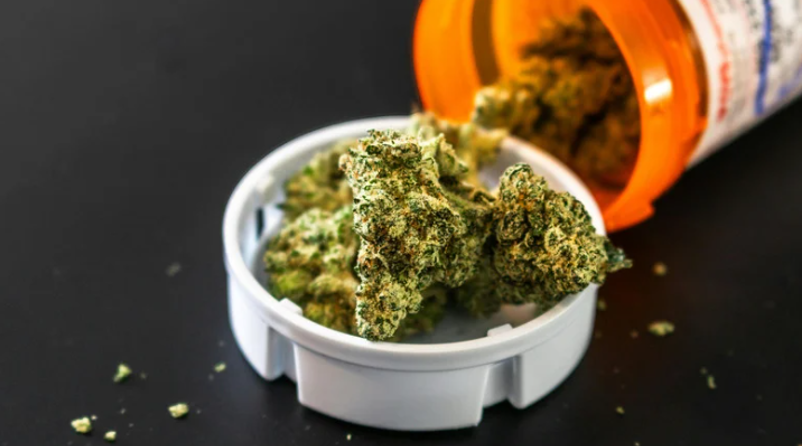

Medical cannabis has emerged as an essential option for individuals seeking relief from long-lasting and persistent pain. Many people turn to this approach after traditional treatments fail to offer meaningful improvement or cause unwanted side effects. As interest grows, understanding how cannabis works within the body can help patients make informed decisions. For anyone considering cannabis for pain management in Annapolis, learning how this therapy supports comfort and symptom relief is an important first step. With proper guidance from experienced professionals, patients can explore whether this may be a suitable and effective path.
Before breaking down how medical cannabis works, it is helpful to consider how chronic pain affects daily life. Discomfort that lasts for months or years can interfere with sleep, work, mobility, and emotional well-being, which makes long-term solutions essential.
How Medical Cannabis Interacts With the Body
Medical cannabis works by influencing the endocannabinoid system, which helps regulate pain, inflammation, mood, and overall balance. Compounds like THC and CBD engage with receptors in this system to adjust how the body interprets pain signals. This can result in reduced discomfort, fewer inflammatory responses, and a more regulated sense of calm.
For those dealing with nerve-related pain, gaining deeper insight into treatment options becomes especially valuable. Understanding the benefits of cannabis for neuropathic pain helps clarify how certain cannabis components may ease burning, tingling, or sharp nerve sensations.
Why Medical Cannabis Supports Pain Relief
Medical cannabis may benefit a wide range of chronic pain conditions because it works through several pathways in the body. This makes it a flexible option when standard medications or therapies fail to provide consistent relief.
Pain is often tied to inflammation, and cannabis contains compounds that may help calm these responses. A reduction in inflammation often leads to more mobility and improved daily functioning. In addition, many patients find that cannabis supports more restful sleep by easing nighttime pain and promoting relaxation. Better sleep often leads to stronger healing and improved energy during the day.
Who May Be a Good Candidate for Medical Cannabis
Medical cannabis is not automatically the right choice for every individual with chronic pain. It becomes a meaningful option when other treatments do not provide enough relief or when side effects become difficult to manage. Healthcare providers assess each patient’s symptoms, medical history, and goals to determine suitability and ensure safe use.
Professional guidance is essential because dosage, product type, and method of use all influence treatment effectiveness. A personalized approach helps patients receive the right level of support while prioritizing long-term wellness.
Methods of Using Medical Cannabis
Medical cannabis is available in several forms, including oils, capsules, tinctures, topical creams, and inhaled products. Each method offers unique benefits depending on the type of pain and individual comfort level. Healthcare providers can recommend an approach that aligns with a patient’s lifestyle and symptoms, increasing the likelihood of steady, meaningful relief. Understanding these options empowers patients to make choices that suit their needs while maintaining safety and consistency.
Conclusion
Medical cannabis provides a promising option for managing chronic pain by supporting the body’s natural regulatory systems. Through reduced inflammation, improved sleep, and potential relief for nerve-related discomfort, it offers a path toward better daily functioning. When guided by knowledgeable professionals, patients can explore this therapy confidently as part of a comprehensive pain management plan.


