
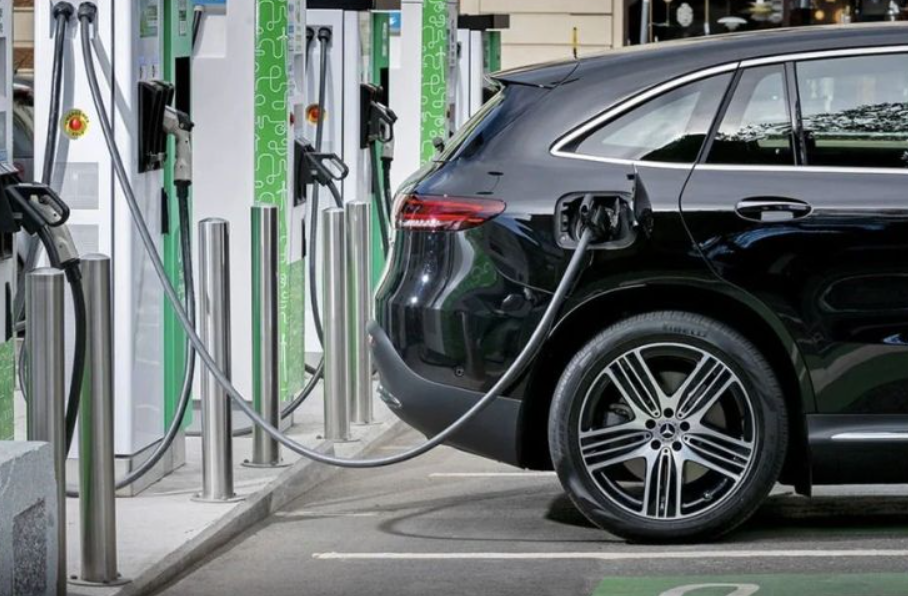

The global shift toward electric vehicles is accelerating at an unprecedented pace, and at the center of this transformation lies ultra fast EV charging. As drivers demand shorter charging times and greater convenience, ultra fast charging technology is redefining how electric vehicles are powered, used, and integrated into everyday life. This advancement is not just an upgrade—it is a critical step toward mass EV adoption.
What Is Ultra Fast EV Charging?
Ultra fast EV charging refers to high-power charging systems capable of delivering extremely rapid energy transfer to electric vehicles. Unlike conventional home chargers or standard public charging stations, ultra fast chargers operate at significantly higher power levels, often exceeding 150 kW and reaching up to 350 kW or more.
With ultra fast EV charging, compatible vehicles can recover hundreds of kilometers of driving range in a matter of minutes rather than hours. This technology closely mirrors the refueling experience of traditional gasoline vehicles, removing one of the biggest barriers to EV ownership.
See also: RECHARGEABLE BATTERY FOR ALL-DAY USE
How Ultra Fast EV Charging Works
Ultra fast EV charging primarily uses direct current (DC) instead of alternating current (AC). By delivering power directly to the vehicle’s battery, the charging process bypasses the onboard converter, allowing for much higher power transfer.
Key components involved include:
- High-capacity power electronics
- Advanced cooling systems to manage heat
- Intelligent communication between charger and vehicle
- Battery management systems that regulate charge speed
The charging rate automatically adjusts based on battery temperature, state of charge, and vehicle capability to ensure safety and efficiency.
Benefits of Ultra Fast EV Charging
Drastically Reduced Charging Time
One of the most significant advantages is speed. Ultra fast EV charging can replenish up to 80% of a battery in as little as 15 to 20 minutes for supported vehicles, making long-distance travel far more practical.
Improved Convenience for Drivers
Shorter charging sessions mean less waiting and better integration into daily routines. Drivers can recharge during brief stops, such as rest breaks or shopping trips.
Enables Long-Distance EV Travel
Ultra fast charging stations positioned along highways and major travel routes make cross-country and intercity travel seamless for electric vehicles.
Supports Commercial and Fleet Operations
For taxis, delivery vehicles, buses, and ride-sharing fleets, ultra fast EV charging minimizes downtime and maximizes operational efficiency.
Accelerates EV Adoption
By eliminating range anxiety and long charging delays, ultra fast EV charging encourages more consumers to switch from internal combustion engines to electric vehicles.
Ultra Fast EV Charging vs Standard Charging
Standard charging methods, such as Level 1 and Level 2 chargers, are ideal for overnight or workplace use but are not designed for rapid energy replenishment. Ultra fast EV charging fills the gap by offering:
- Significantly higher power output
- Short charging durations
- Public infrastructure focus
- Advanced thermal and safety systems
While standard charging remains essential for daily use, ultra fast charging is crucial for travel, commercial use, and emergency recharging.
Infrastructure Requirements for Ultra Fast EV Charging
Deploying ultra fast EV charging infrastructure requires substantial planning and investment. High-power chargers demand:
- Robust electrical grid connections
- Energy storage solutions in some locations
- Smart load management systems
- Weather-resistant and durable hardware
Despite these challenges, expanding infrastructure is a top priority for governments, utilities, and private operators worldwide.
Impact on EV Battery Health
A common concern is whether ultra fast EV charging affects battery lifespan. While frequent ultra fast charging can generate additional heat and stress, modern EVs are engineered with advanced battery management systems that mitigate these effects.
When used appropriately and combined with regular slower charging, ultra fast EV charging has minimal impact on overall battery longevity for most modern electric vehicles.
Role of Ultra Fast EV Charging in Smart Cities
Ultra fast EV charging plays a key role in smart city development by supporting:
- Electrified public transportation
- Shared mobility services
- Reduced urban emissions
- Integration with renewable energy sources
Smart charging networks also enable real-time monitoring, dynamic pricing, and optimized energy distribution.
Challenges Facing Ultra Fast EV Charging
Despite its advantages, ultra fast EV charging faces several challenges:
- High installation and operational costs
- Grid capacity limitations in some regions
- Vehicle compatibility differences
- Heat management requirements
Ongoing technological innovation and infrastructure investment continue to address these issues.
The Future of Ultra Fast EV Charging
The future of ultra fast EV charging is focused on higher efficiency, wider accessibility, and greater sustainability. Emerging developments include:
- Charging speeds beyond 350 kW
- Solid-state battery compatibility
- Wireless ultra fast charging concepts
- Integration with renewable and stored energy
As these advancements mature, charging times will continue to shrink, making EVs even more practical and appealing.
Frequently Asked Questions (FAQs)
What vehicles support ultra fast EV charging?
Most modern electric vehicles with DC fast-charging capability can use ultra fast EV chargers, though actual charging speed depends on the vehicle’s battery and charging system.
Is ultra fast EV charging safe?
Yes, ultra fast EV charging is designed with multiple safety systems, including temperature monitoring, automatic power regulation, and fault detection.
How long does ultra fast EV charging take?
Charging time varies, but many vehicles can reach 80% battery capacity in 15 to 30 minutes under optimal conditions.
Can ultra fast EV charging damage the battery?
Occasional use does not significantly harm modern EV batteries. Battery management systems are designed to protect long-term battery health.
Is ultra fast EV charging more expensive?
Ultra fast charging typically costs more than standard charging due to higher energy delivery and infrastructure costs, but it offers unmatched convenience and time savings.
Conclusion
Ultra fast EV charging is transforming the electric vehicle landscape by delivering speed, convenience, and confidence to drivers worldwide. It bridges the gap between traditional refueling and electric mobility, making EVs more accessible for daily commuting, long-distance travel, and commercial operations. As technology advances and infrastructure expands, ultra fast EV charging will remain a cornerstone of the global transition toward cleaner, smarter, and more sustainable transportation.
